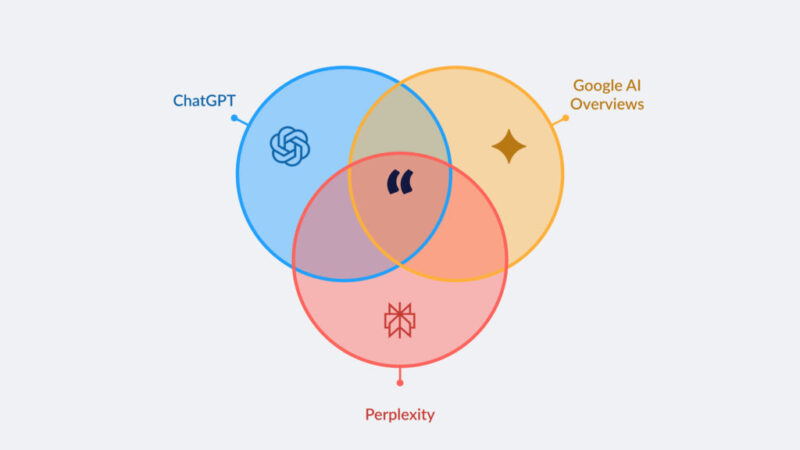
AI is changing the way we search—and for businesses in South Africa, the rules of SEO have changed. With tools like ChatGPT, Microsoft Copilot, and Google Gemini shaping how people access information, traditional SEO keyword strategies alone won’t cut it.
Here’s what South African marketers, agencies, and business owners need to know about SEO in the age of AI—and how to stay discoverable in a market that’s getting smarter.
AI Search Isn’t Google—Yet
Unlike traditional search engines that crawl and index websites across the internet, AI search engines rely on curated datasets, APIs, and verified content sources. This means they’re pulling from a smaller pool of trusted data—not just your blog or website.
What this means for you: Local businesses must now focus on building authority and structured content—because being included in these datasets often depends on brand trust, citations, and high-quality, clearly formatted content.
Structured Data Is Critical
AI models love structure. That means schema markup, FAQ blocks, clean site architecture, and clear answers are more valuable than ever. Whether you’re selling boerewors or broadband, well-structured content boosts your chances of showing up in AI-generated answers.
Tip: Add structured data for local businesses using schema.org’s Local Business schema to improve your visibility on tools like Bing Chat and Google SGE.
Focus on E-E-A-T for South African Contexts
AI platforms are more likely to trust and reference content that demonstrates Expertise, Experience, Authoritativeness, and Trustworthiness (E-E-A-T).
This includes:
- Author bios for your blog posts
- Verified customer reviews
- Links from reputable South African domains (.co.za, .org.za, etc.)
- Up-to-date local references (like SA stats, news, or regulations)
Optimise for Conversational Queries
With voice search and AI chat interfaces growing, how people ask questions is changing.
Old search:
“Bakery Johannesburg”
AI-style search:
“Where can I find a bakery near Bryanston with gluten-free options?”
Your content should answer both. Use conversational copy and long-tail keywords that match how South Africans actually speak (and ask questions). Don’t forget to localise your tone—“petrol station” not “gas station,” “bakkie” not “pickup truck.”
Local SEO Still Matters—A Lot
Even in an AI-driven world, Google Business Profiles, reviews, and accurate location data remain key. AI engines still lean on these sources to determine proximity, availability, and service relevance.
Make sure:
- Your NAP (Name, Address, Phone) is consistent everywhere
- You encourage and respond to reviews
- You upload updated photos, menus, or offers to your business listing
Prepare for AI Assistants as Gatekeepers
Soon, customers may not visit your website—they’ll ask an AI assistant instead. If your brand isn’t recognised as a credible source, you’re invisible.
Start building:
- Partnerships with trusted directories or platforms
- Backlinks from established South African publishers
- A strategy for creating authoritative content (whitepapers, guides, interviews)
AI-Specific SEO Services Are Emerging
Forward-thinking agencies (like ours at IMS) are now including AI search optimisation in their SEO strategy. That means planning content and metadata not just for rankings, but for answers, recommendations, and citations in tools like ChatGPT and Google Gemini.
Conclusion: Adapt or Disappear
In South Africa, where digital transformation is accelerating fast, AI-powered search is no longer “the future”—it’s here. To stay relevant and visible, your SEO must evolve from simple keyword stuffing to smart, structured, and strategic content.