In today’s competitive retail landscape, customer segmentation has moved far beyond the basics of age, gender, or income. With every transaction, online click, or in-store visit, businesses generate thousands of data points. The challenge is turning that data into meaningful segments that you can act on. This is where AI-powered data modelling comes in — it helps businesses identify micro-groups of customers with precision.
Why Traditional Segmentation Falls Short
For years, South African businesses have relied on broad demographic or geographic categories:
- “18–35, urban, middle income”
- “Families in KZN”
- “Loyalty members aged 45+”
While useful as a starting point, these categories are too broad. Two 30-year-old shoppers in Durban may have completely different buying habits: one is a price-conscious bargain hunter, the other is a premium buyer who values convenience and fast delivery. Treating them as the same segment risks wasted spend and missed opportunities.
How AI Segmentation Works
AI-driven data modelling automatically processes millions of transactions to uncover patterns. Instead of relying on guesswork, the system identifies clusters of customers who share similar behaviours, such as:
- Shopping frequency: weekend bulk buyers vs. weekday top-up shoppers.
- Product affinity: snackers vs. healthy-living buyers vs. festive-season splurgers.
- Channel preference: in-store loyalists, app-first convenience seekers, or online deal hunters.
- Engagement style: responsive to promotions vs. steady full-price buyers.
This type of behavioural segmentation goes deeper than demographics and can provide you with a clearer picture of why customers buy.
Practical Examples in Action
At IMS, we’ve seen how AI-powered segmentation helps South African retailers sharpen their strategies:
- Targeted promotions: Instead of blasting all customers with the same discount, campaigns are tailored. Price-sensitive shoppers get cashback deals, while high-value shoppers receive early access to premium ranges.
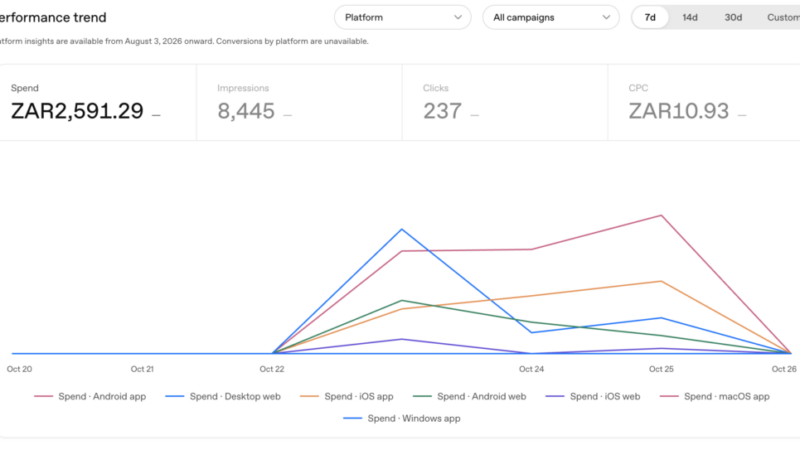
- Personalised media campaigns: Ads on Facebook, Google, or TikTok are adjusted per micro-group, reducing wasted impressions and lowering cost per acquisition.
- Optimised stock planning: By understanding which segments are active in which regions, retailers can align inventory with actual demand.
- Loyalty programme impact: Segmentation identifies “silent loyalists” — those who shop consistently but aren’t maximising loyalty benefits — and encourages them to engage more deeply.
Why It Matters for South African Businesses
The South African retail environment is complex:
- Customers are highly price-conscious due to rising living costs.
- Regional dynamics (urban vs. rural, coastal vs. inland) create big differences in buying behaviour.
- Shoppers switch easily between brands if value isn’t clear.
AI-powered micro-segmentation helps you move away from generic campaigns, to where you can speak directly to the needs of different groups, improving both customer experience and ROI.
Human + AI = The Winning Formula
While AI creates the clusters, human expertise is critical to interpret and apply them. At IMS, we combine advanced AI segmentation tools with strategic insight:
- Ensuring segments align with business goals.
- Translating data into actionable campaigns.
- Building dashboards that visualise segments clearly for decision-makers.
The result is data, but drives campaigns, sales, and loyalty.
Customer segmentation is no longer about broad categories — it’s about precision and personalisation. With AI-powered data modelling, businesses can create micro-groups that reveal the true complexity of customer behaviour. And when combined with smart strategy, these insights become a competitive advantage. Reach out to IMS and see how you can turn customer data into actionable strategies that deliver growth.