South Africans are highly active on social media platforms like Facebook, TikTok, Instagram, and X, often using them to share opinions about specials, festive shopping, and cultural events. These conversations form a rich pool of insight:
- Heritage Day & Braai Culture – Weeks before 24 September, online buzz spikes around meat prices, alcohol specials, and braai accessories. Retailers who pick up on these signals can tailor promotions to feature bulk meat packs, charcoal bundles, or combo specials that appeal directly to what customers are planning.
- Back-to-School & January Savings – After the festive season, sentiment quickly shifts to affordability. Parents and students often discuss where to find stationery, uniforms, and budget-friendly lunchbox fillers.
- Black Friday & Festive Shopping – Social buzz builds momentum as early as October, with shoppers debating which retailers offer real savings. Retailers who interpret these signals effectively can adapt their deals to outshine competitors.
From Chatter to Checkout: Turning Data Into Action
Listening alone isn’t enough. The real value lies in data interpretation—translating social noise into actionable retail strategies:
- Stock Planning – If social buzz indicates that “lamb chops” are trending ahead of Heritage Day, retailers can adjust procurement to avoid stockouts or inflated supplier costs.
- Targeted Promotions – Social listening helps retailers understand not only what products are in demand but also how customers want to buy them—be it bulk packs, value bundles, or loyalty-linked discounts.
- Regional Relevance – Conversations often differ by province or community. A township buzz about affordable cooking oil may not match a Sandton conversation about premium cuts of steak. Data interpretation ensures promotions are localised.
- Marketing Timing – Knowing when conversations peak allows retailers to push content at the right time. For example, liquor brands promoting ahead of Easter or festive weekends can capture shopper intent while it’s at its highest.
Real-World South African Examples
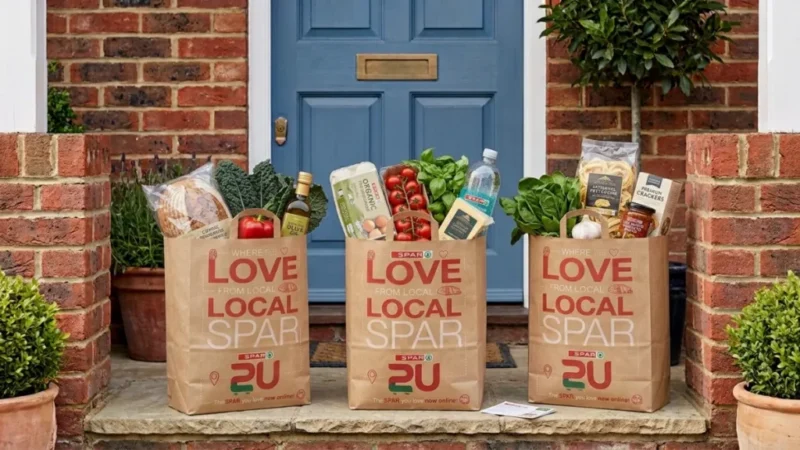
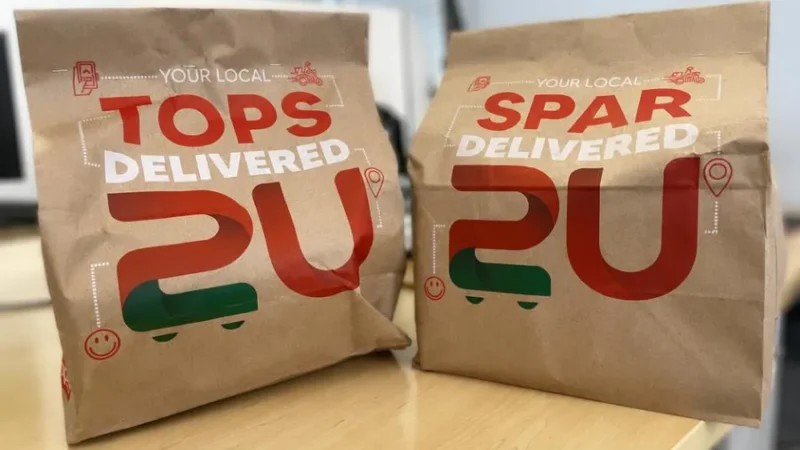
- SPAR & Heritage Day – By tapping into braai conversations, SPAR’s braai promotions created a sense of urgency and cultural alignment that resonated with shoppers.
- Checkers & Black Friday – By monitoring conversations around deal credibility, Checkers shifted its communication to “real savings” messaging, winning consumer trust during a noisy season.
- Local Township Retailers – Informal traders often use Facebook groups and WhatsApp to discuss seasonal affordability. Larger retailers can learn from these micro-conversations to fine-tune pricing strategies.
Why IMS Champions Social Listening
At IMS, we believe predicting seasonal demand from social buzz is no longer optional—it’s essential. Retailers who ignore social signals risk potential irrelevant promotions, and lost sales opportunities.
Our approach combines:
- Advanced social listening tools to capture real-time consumer sentiment.
- AI-powered data interpretation to link online chatter to actual retail behaviours.
- Local market expertise to ensure insights are contextualised for South African culture, communities, and economic realities.
The Bottom Line
South Africans don’t just shop; they talk about shopping—loudly and publicly. Those conversations are gold for retailers who know how to listen and interpret them. By predicting seasonal demand from social buzz, retailers can stay ahead of trends, outmanoeuvre competitors, and create promotions that feel timely, relevant, and irresistibly local.
At IMS, we help retailers transform data into decisions—and conversations into conversions. Reach out to IMS today.