If your business relies on traditional SEO and Google Ads, this shift could directly affect how customers find you and how much traffic reaches your website.
According to research published using Similarweb clickstream data, 68.01% of Google searches in the first four months of 2026 ended without a click. In simple terms, more than two out of every three Google searches did not result in a user clicking through to a website.
This is not a small shift. In 2024, zero-click searches on Google were reported at 60.45%, showing a sharp acceleration in clickless searches over two years. SparkToro attributes much of this change to AI

The result is that Google is becoming less of a simple search engine and more of an answer platform.
For businesses, this raises an important question:
If fewer people are clicking through to websites, how do you still get found, trusted and chosen?
What Is a Zero-Click Search?
A zero-click search happens when a user searches for something on Google but does not click through to a website.
This may happen because Google answers the question directly in the search result through:
- AI Overviews
- Featured snippets
- Knowledge panels
- Maps results
- Instant answers
- Product panels
- People Also Ask results
- YouTube or other Google-owned placements
For the user, this can be convenient. They get a quick answer without needing to open another website.
For website owners, it creates a problem. You may still be influencing the answer, but you may not receive the website visit.
This means businesses need to think differently about the value of search visibility.
The goal is no longer only to get the click. The goal is also to influence the answer.
Is SEO Still Important?
Yes, SEO is still important.
But SEO is no longer only about rankings and traffic. It is also about discoverability, trust and influence.
SparkToro’s article makes the point that SEO still matters, but it may not earn traffic in the same way it once did. The recommendation is to invest in zero-click marketing: building awareness and influence without relying only on website visits.
This is because your website content can still influence what Google, AI Overviews and AI-powered search platforms say about your industry, product, service or brand — even if the user does not click through immediately.
For example, your website may help shape the answer to questions such as:
- Which digital agency offers SEO for AI search?
- What is GEO in digital marketing?
- How much does a website cost in South Africa?
- Which supplier offers lift trucks in Gauteng?
- What should I look for in a materials-handling partner?
- Which company offers data-driven marketing and analytics?
If your business is not clearly represented online, AI-powered search platforms may ignore you, misunderstand you or recommend a competitor instead.
From SEO to GEO: The Next Layer of Search Visibility
This is where GEO discoverability becomes important.
GEO, or Generative Engine Optimisation, is the process of improving how your business is understood, referenced and surfaced in AI-generated answers.
Traditional SEO focuses on helping websites rank in search engines.
GEO focuses on helping brands become visible in AI-generated responses, summaries and recommendations.
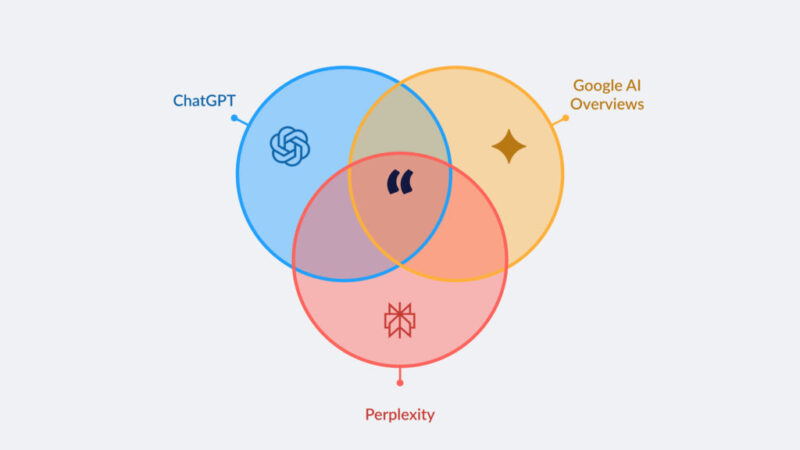
This includes platforms and experiences such as:
- Google AI Overviews
- ChatGPT
- Microsoft Copilot
- Perplexity
- Bing AI search
- Other conversational and answer-led search platforms
GEO does not replace SEO. It builds on it.
A strong GEO strategy still needs a technically sound website, clear content, structured information, authority signals, relevant mentions and useful answers to customer questions.
But it adds another layer: making sure your business can be understood by AI systems when they generate answers.
Why This Matters for Lead Generation
Many businesses still measure digital marketing success mainly through clicks, sessions and website traffic.
Those metrics still matter, but they no longer tell the full story.
In a zero-click environment, a potential customer may discover your brand before visiting your website. They may see your business mentioned in an AI answer, compare you against competitors, ask follow-up questions, and only later search for your brand directly.
That means awareness and influence can happen before the click.
For lead generation, this changes the journey.
A customer may not begin with:
“IMS Ad Agency”
They may start with:
“Which digital agency in Johannesburg can help with SEO, Google Ads, AI search and analytics?”
If IMS is clearly positioned online for SEO, GEO, AEO, digital advertising, analytics and AI discoverability, the business has a better chance of being included in that consideration journey.
If the website is vague, thin or poorly structured, the opportunity is weaker.

What Businesses Should Do Now
The answer is not to abandon SEO.
The answer is to expand how SEO is measured and executed.
Businesses should focus on building a stronger digital footprint that can influence both search engines and AI-generated answers.
This includes:
- Clear service pages
- Strong FAQs
- Helpful article content
- Case studies and proof of work
- Structured data and schema
- Brand and entity optimisation
- Local SEO signals
- Third-party mentions
- Backlinks and authority signals
- Consistent business information across the web
- Content designed to answer real customer questions
The website still matters. In fact, it may matter more.
Even if fewer users click through immediately, your website remains one of the primary sources AI and search platforms can use to understand your business. SparkToro using data from Similarweb makes a similar point: even when traffic falls, website content can still influence AI responses and Google’s zero-click features.
Why Website Content Still Matters in a Zero-Click World
Our recommendation is not to neglect your website. The article argues that AI answers often draw from content that ranks highly in Google, meaning that content can still create brand influence even when it does not earn a click.
That means businesses should continue publishing useful, accurate and structured content.
However, the content needs to do more than chase keywords.
It should answer real questions, explain services clearly, demonstrate expertise and create trust.
For example, an IMS GEO content strategy may include:
- What is GEO and why does it matter?
- What is the difference between SEO, AEO and GEO?
- How much does a website cost in South Africa?
- How do I use ChatGPT to find a good website developer?
- How often should I check AI query rankings?
- Do I need to be visible in AI search to generate leads?
These articles are not only designed to attract clicks. They are designed to help AI and search platforms understand what IMS does, what it knows and where it has authority.
Zero-Click Marketing and GEO Work Together
Zero-click marketing means creating brand influence without relying only on users clicking through to your website.
This can include visibility on:
- AI search platforms
- YouTube
- Industry websites
- News platforms
- Email newsletters
- Social media channels
- Podcasts and video content
GEO supports this because it helps ensure your brand is consistently represented across the digital ecosystem.
If your website says one thing, your social profiles say another, and third-party sources do not mention your expertise clearly, AI platforms have weaker signals to work with.
A good GEO strategy aims to create consistency.
It helps answer:
- Who are you?
- What do you do?
- Who do you help?
- What topics are you credible on?
- Why should a search platform or AI answer include you?
How IMS Helps Businesses with GEO
IMS helps businesses improve their visibility in AI-powered search through practical GEO and AI discoverability strategies.
Our approach combines:
- Technical SEO
- Traditional SEO
- AEO, or Answer Engine Optimisation
- GEO, or Generative Engine Optimisation
- AI discoverability audits
- Website content optimisation
- FAQ development
- Schema and structured data
- Content strategy
- Digital PR and authority-building
- Analytics and visibility tracking
- Conversion-focused website improvements
The objective is not just to increase traffic. The objective is to help businesses become easier to find, understand, reference and trust across both traditional and AI-powered search environments.
In a market where more searches end without a click, that matters.

What Should Businesses Measure?
If clicks are declining, businesses need to expand the way they measure visibility.
Important metrics may include:
- Branded search growth
- Organic visibility
- AI mentions
- AI citations
- Referral traffic from AI tools
- Search impressions
- Google Business Profile activity
- Direct traffic
- Assisted conversions
- Lead quality
- Content engagement
- Share of voice
- Competitor visibility in AI answers
The question should not only be:
“How much traffic did this article get?”
The better question is:
“Is this content helping our brand become more visible, more trusted and more likely to be included in the buying journey?”
Google is not dead.
SEO is not dead.
But the way people search, discover and choose businesses is changing.
As zero-click searches continue to rise and AI-generated answers become more common, businesses need to think beyond rankings and clicks.
The future of search is about influence.
Can your business be found?
Can it be understood?
Can it be trusted?
Can it be surfaced in AI-generated answers when customers ask relevant questions?
That is where GEO becomes valuable.
IMS helps businesses adapt to this new search environment by combining SEO, GEO, AEO, content, data, websites and analytics into one practical digital visibility strategy.
IMS Ad Agency — Create an Unfair Advantage.